Visit
Home / Visit / Historic Sites
Historic Sites
Discover historic landmarks, cultural sites, and landscapes across the county using our interactive map. From Indigenous ancestral places to railroad towns and Route 66 landmarks, each location reveals a piece of Coconino County’s layered history.

Antelope Canyon
Antelope Canyon is a renowned slot canyon located east of Page, Arizona within the Navajo Nation. Carved into Navajo Sandstone by centuries of flash flooding and wind, it is famous for its narrow, winding passageways and shifting beams of sunlight that illuminate its smooth, wave-like walls.
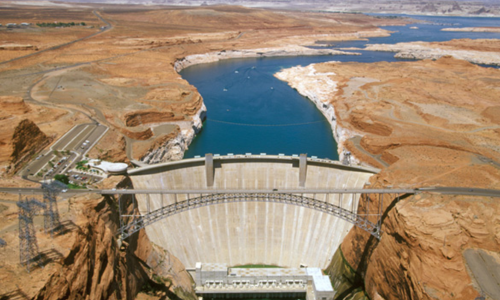
Glen Canyon Dam
Glen Canyon Dam is a 710-foot-tall concrete arch-gravity dam on the Colorado River near Page, Arizona. Completed in 1966, it created Lake Powell, one of the largest reservoirs in the United States, providing water storage, hydroelectric power, and recreation for the arid Southwest.
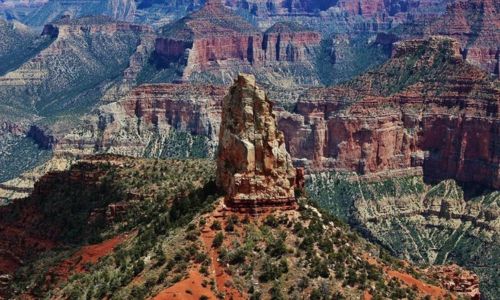
Grand Canyon
Far more than a natural wonder, the Grand Canyon is a cultural landscape shaped by Indigenous communities for thousands of years. Villages, trails, and sacred sites throughout the canyon reflect deep, ongoing connections to the land.
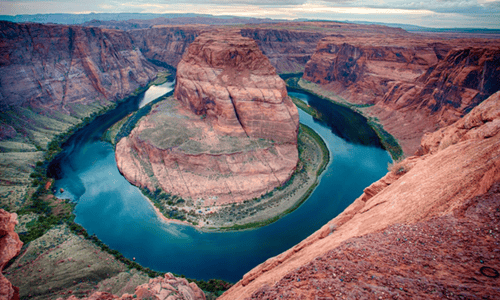
Horseshoe Bend
Horseshoe Bend is a dramatic overlook of a 270-degree meander in the Colorado River, located just south of Page, Arizona within Glen Canyon National Recreation Area. Rising roughly 1,000 feet (305 m) above the river, its sweeping sandstone amphitheater has become one of the most photographed natural vistas in the American Southwest.
Lees Ferry
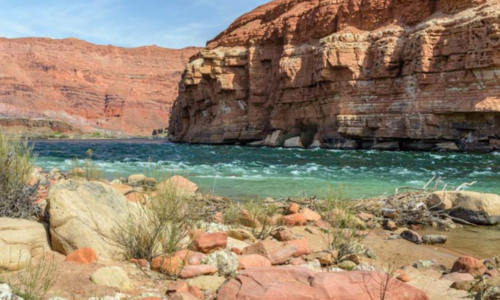
Once the only legal crossing of the Colorado River for hundreds of miles, Lees Ferry served as a critical transportation, trade, and settlement point during westward expansion. Lees Ferry is a historic river crossing on the Colorado River in northern Arizona, near the mouth of the Paria River
Lowell Observatory
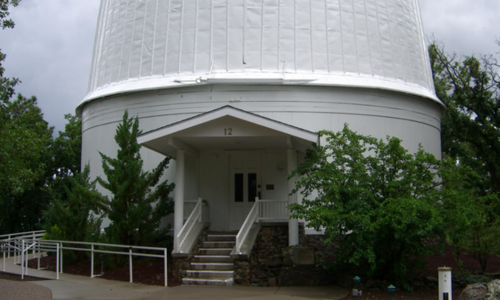
Lowell Observatory is a privately operated, nonprofit astronomical research and education center in Flagstaff, Arizona. Founded in 1894 by Percival Lowell, it is one of the oldest observatories in the United States and is celebrated as the site of major discoveries such as Pluto’s detection in 1930.
Navajo Bridge
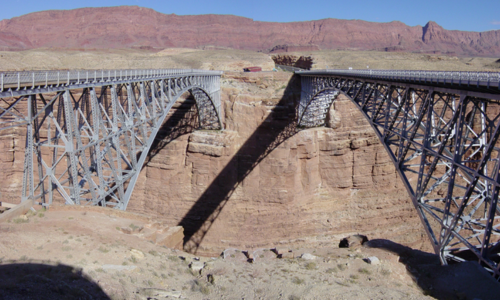
Opened in 1929, Navajo Bridge connected northern Arizona and Utah, improving transportation and commerce across the Colorado Plateau. The original bridge remains a historic landmark today.
Navajo Bridge is a pair of steel arch bridges spanning the Colorado River in northern Arizona,

Route 66 (Flagstaff & Williams)
Running through northern Arizona, Route 66 shaped twentieth-century travel, commerce, and culture. Neon signs, motels, and diners tell the story of migration, tourism, and the open road. Route 66, officially designated U.S. Highway 66, is a historic American highway stretching about 2,400 miles
Walnut Canyon National Monument
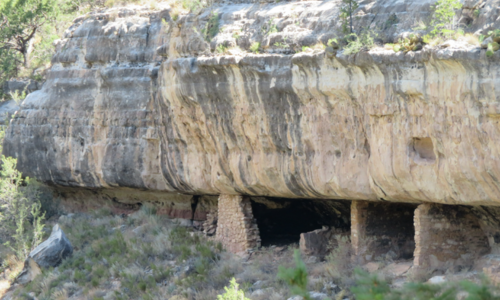
Walnut Canyon National Monument is an archaeological and natural preserve located about 10 miles east of Flagstaff, Arizona. Established in 1915, it protects ancient cliff dwellings built by the Sinagua people between approximately 1100 and 1250 CE within a 400-foot-deep limestone canyon
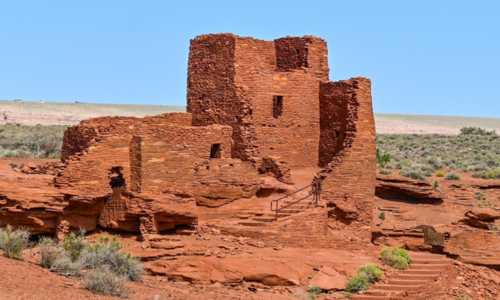
Wupatki National Monument
Once a thriving crossroads of trade and culture, Wupatki features multi-story pueblos built from red sandstone. The site highlights how Indigenous communities adapted to volcanic landscapes and changing environments.
Lees Ferry
Once the only legal crossing of the Colorado River for hundreds of miles, Lees Ferry served as a critical transportation, trade, and settlement point during westward expansion. Lees Ferry is a historic river crossing on the Colorado River in northern Arizona, near the mouth of the Paria River
Lowell Observatory
Lowell Observatory is a privately operated, nonprofit astronomical research and education center in Flagstaff, Arizona. Founded in 1894 by Percival Lowell, it is one of the oldest observatories in the United States and is celebrated as the site of major discoveries such as Pluto’s detection in 1930.