Lees Ferry

  • Home
  • Historic Sites
  • Lees Ferry

Lees Ferry

  • Home
  • Historic Sites
  • Lees Ferry

Lees Ferry

Once the only legal crossing of the Colorado River for hundreds of miles, Lees Ferry served as a critical transportation, trade, and settlement point during westward expansion.
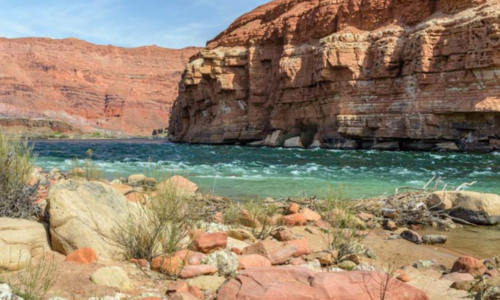
Lees Ferry is a historic river crossing on the Colorado River in northern Arizona, near the mouth of the Paria River. Once a critical link between Utah and Arizona territories, it is now part of Glen Canyon National Recreation Area and serves as the official start of Grand Canyon National Park river trips.

Key facts

  • Location: 5 mi (8 km) south of Page, Arizona
  • Elevation: ~4,200 ft (1,280 m) above sea level
  • Trail length: 0.75 mi (1.2 km) one way, paved and ADA-compliant
  • Managed by: City of Page & U.S. National Park Service
  • Parking fee: $10 per car (City of Page lot, 2024)

Historical background

Lees Ferry was founded by John D. Lee in 1870 under the direction of the Church of Jesus Christ of Latter-day Saints to provide a crossing for settlers and missionaries. The ferry allowed passage across the Colorado River at a rare accessible point between steep canyon walls, linking Mormon settlements in Utah with communities in Arizona.

Role in regional development

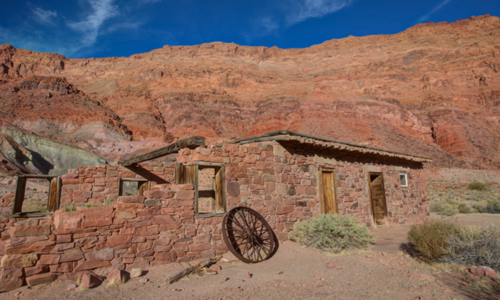
For decades, Lees Ferry served as a vital transportation and trade route for travelers, mail, and livestock. It was the only viable crossing between Moab and the Grand Canyon until the completion of the Navajo Bridge in 1928, which rendered the ferry obsolete. The site’s remnants, including Lee’s cabin and ferry infrastructure, remain as historical exhibits.
Modern significance

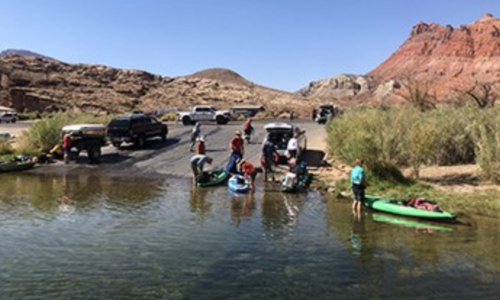
Today, Lees Ferry is known as a premier launch point for whitewater rafting expeditions through the Grand Canyon and for fishing along the tailwaters below Glen Canyon Dam. The area also serves as a campground and access site for hikers and boaters exploring the Colorado Plateau.

Preservation and access

Managed by the National Park Service, Lees Ferry retains both natural and historical importance. Interpretive trails and preserved structures highlight its role in Western settlement, while its unique geography continues to make it an essential hub for recreation and study of the Colorado River system.