Walnut Canyon National Monument

  • Home
  • Historic Sites
  • Walnut Canyon National Monument

Walnut Canyon National Monument

  • Home
  • Historic Sites
  • Walnut Canyon National Monument

Walnut Canyon National Monument

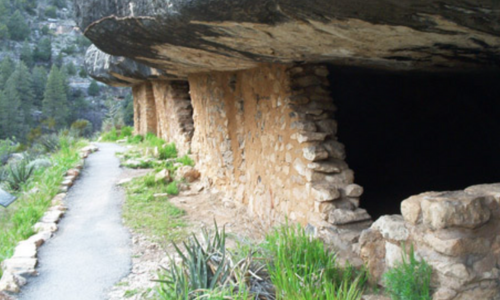
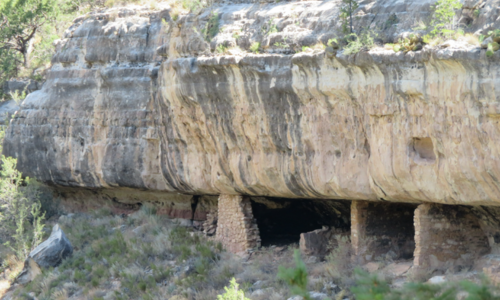
Walnut Canyon National Monument is an archaeological and natural preserve located about 10 miles east of Flagstaff, Arizona. Established in 1915, it protects ancient cliff dwellings built by the Sinagua people between approximately 1100 and 1250 CE within a 400-foot-deep limestone canyon carved by Walnut Creek. The monument is notable for its accessible trails, biodiversity, and cultural importance to descendant Indigenous communities.

Key facts

  • Location: Near Flagstaff, north-central Arizona, USA
  • Established: November 30, 1915
  • Managed by: National Park Service
  • Area: ~3,600 acres (15 km²)
  • Primary features: Sinagua cliff dwellings, Island Trail, Rim Trail

Cultural heritage

The Sinagua (“without water” in Spanish) constructed more than 300 masonry rooms within natural alcoves of the canyon’s Kaibab limestone. These structures sheltered extended families who farmed the mesa tops, cultivating corn, beans, and squash. Archaeological evidence shows extensive trade links across the Colorado Plateau. By about 1250 CE, residents had migrated from the canyon; their descendants include the Hopi, Zuni, and other Puebloan peoples who maintain cultural and spiritual ties to the site.
Landscape and ecology

Walnut Canyon lies where desert and mountain ecosystems meet, supporting black walnut trees, ponderosa pine, piñon-juniper woodland, and riparian vegetation. The canyon’s contrasting sun- and shade-facing slopes create habitats for more than 380 plant species and wildlife such as mule deer, peregrine falcons, and canyon wrens.

Visiting and trails

Visitors begin at a rim-top center and museum with panoramic views. The strenuous one-mile Island Trail descends 185 feet via about 240 stairs past 25 preserved cliff dwellings, while the accessible Rim Trail provides overlooks and reconstructed pit houses. Ranger programs, interpretive exhibits, and seasonal guided walks interpret both archaeological and ecological features.

Preservation and significance

Once looted and damaged before protection, Walnut Canyon is now part of the Flagstaff Area National Monuments alongside Sunset Crater Volcano National Monument and Wupatki National Monument. It remains a key site for understanding ancient Puebloan adaptation to arid environments and a sacred ancestral landscape for multiple Native nations.